Construction Jobs in NYC: Entry-Level Roles, Skills, and Where to Apply
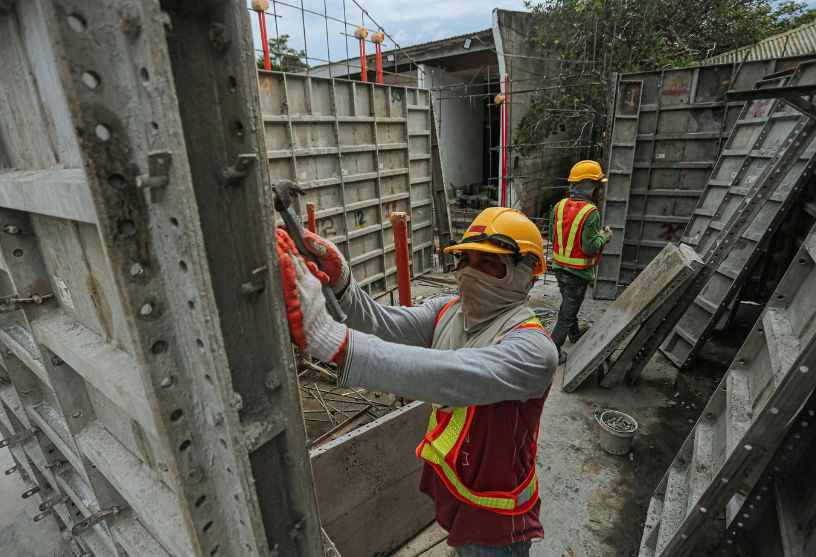
If you are searching for construction jobs in nyc, entry-level roles can be a realistic way to start even without years of experience. New York has a large construction market, and many companies need reliable workers for residential, commercial, renovation, infrastructure, and maintenance projects.
The challenge is knowing where to begin. Some construction jobs nyc require certifications, tools, physical stamina, or previous site experience. Others are open to beginners who are punctual, safety-minded, and willing to learn.
This guide explains common entry-level roles, important skills, basic requirements, and practical places to apply.
Why construction can be a good entry-level path
Construction can be a strong option if you want practical work instead of a desk job. Many roles allow you to learn directly on the job, build technical skills, and move into better-paid positions over time.
Construction may be a good fit if you:
- Like hands-on work
- Can handle physical tasks
- Are comfortable working outdoors or on active sites
- Want to learn a trade
- Can follow safety rules
- Are reliable with time and attendance
- Want a career path with growth potential
Entry-level work can lead to specialized roles in carpentry, electrical work, plumbing, masonry, painting, site supervision, equipment operation, or project coordination.
Common entry-level construction roles
Not every construction job requires advanced experience. Many people start in support roles and build skills over time.
Common beginner-friendly roles include:
- General laborer
- Construction helper
- Demolition helper
- Carpenter’s assistant
- Electrician’s helper
- Plumber’s helper
- Painter’s helper
- Drywall helper
- Flooring assistant
- Roofing helper
- Masonry helper
- Site cleanup worker
- Material handler
- Flagging or traffic support worker
These roles often involve assisting skilled workers, moving materials, preparing work areas, cleaning sites, and learning basic tools and safety procedures.
What a general laborer does
A general laborer supports the construction site with practical tasks. This is one of the most common starting points for people new to the industry.
Typical duties include:
- Carrying materials
- Loading and unloading supplies
- Cleaning work areas
- Removing debris
- Preparing tools
- Helping skilled tradespeople
- Setting up protective coverings
- Following site safety instructions
- Reporting hazards
- Supporting basic demolition or installation work
This role can be physically demanding, but it gives beginners exposure to how construction sites operate.
Helper roles in skilled trades
Helper roles are useful if you want to move toward a specific trade. You assist experienced workers and learn the basics through daily work.
Examples include:
- Carpenter’s helper: measuring, carrying lumber, preparing tools, assisting with framing or installation
- Electrician’s helper: pulling cable, organizing materials, supporting licensed workers, cleaning work areas
- Plumber’s helper: carrying pipes, preparing fittings, assisting with installations, cleaning after work
- Painter’s helper: taping, sanding, covering surfaces, mixing materials, cleaning tools
- Masonry helper: moving bricks or blocks, mixing materials, preparing surfaces, site cleanup
These jobs can help you decide which trade you want to pursue long-term.
Skills employers look for
For entry-level construction jobs, employers often care more about attitude and reliability than advanced technical skills. You can learn many tasks, but you need to show that you are dependable and safe on site.
Important skills include:
- Punctuality
- Physical stamina
- Ability to follow instructions
- Basic tool familiarity
- Teamwork
- Safety awareness
- Communication
- Attention to detail
- Willingness to learn
- Problem-solving
- Respect for supervisors and coworkers
Even if you lack experience, these qualities can help you stand out.
Physical requirements to expect
Construction work can be physically demanding. Before applying, understand what the job may involve.
You may need to:
- Stand for long periods
- Lift and carry materials
- Work in different weather conditions
- Climb stairs or ladders
- Bend, kneel, and reach
- Wear protective equipment
- Work around noise, dust, or machinery
- Start early in the morning
- Follow strict safety procedures
Not every job has the same demands, so read descriptions carefully and ask questions during interviews.
Safety matters from day one
Safety is central in construction. Employers want workers who take instructions seriously and avoid unnecessary risks.
Basic safety habits include:
- Wearing required protective equipment
- Listening during safety briefings
- Reporting unsafe conditions
- Keeping work areas clear
- Using tools properly
- Staying aware of moving equipment
- Following supervisor instructions
- Avoiding shortcuts
- Asking questions when unsure
A worker with strong safety habits is more valuable than someone who rushes and creates risks.
Training and certifications
Some entry-level roles may require or prefer safety training, depending on the site and employer. In New York, certain construction sites may require specific safety courses before workers can start.
Useful preparation may include:
- Basic construction safety training
- First aid knowledge
- Tool safety training
- Trade school programs
- Apprenticeship preparation
- Driver’s license, if the role involves travel
- Equipment-related training, if relevant
- English communication practice for site safety
Requirements vary by employer, so always read the job posting carefully.
How to build experience without a construction background
If you have never worked in construction, you can still show relevant experience. Many employers value transferable skills from other jobs.
Useful background can include:
- Warehouse work
- Moving jobs
- Landscaping
- Maintenance
- Cleaning
- Delivery work
- Furniture assembly
- Painting
- Repair work
- Farm or outdoor labor
- Military service
- Volunteer building projects
Describe experience in a way that shows reliability, physical ability, teamwork, and safety awareness.
How to write a construction resume
A construction resume should be simple, clear, and focused on practical abilities. You do not need a long resume for entry-level work, but it should show that you are ready for the job.
Include:
- Contact information
- Location or borough
- Work availability
- Relevant experience
- Physical or technical skills
- Tools you have used
- Safety training
- Certifications
- Driver’s license, if applicable
- Languages spoken
- References, if available
Keep the resume easy to scan. Employers hiring for site roles often want quick, practical information.
What to include in your profile or application
When applying online, your profile should quickly answer the employer’s main questions: Can you start soon? Can you get to the site? Are you reliable? Do you have basic experience or training?
Mention:
- Availability
- Preferred boroughs or travel range
- Type of construction work you want
- Tools or equipment experience
- Safety training
- Ability to lift or work physically
- Previous labor experience
- Willingness to learn a trade
A clear profile can help you get calls faster.
Where to apply for construction jobs
You can find entry-level roles through job boards, staffing agencies, contractors, subcontractors, trade schools, union apprenticeship programs, community organizations, and referrals.
For local opportunities, check the Jobs section on TBI Listings. You can also browse Services, Marketplace, and Real Estate if you need local support, tools, housing, or services while looking for work.
Use referrals and local contacts
Construction hiring often happens through local networks. A contractor may ask current workers if they know someone reliable before posting a job publicly.
Ask people in your network:
- Do you know any contractors hiring helpers?
- Are there crews looking for laborers?
- Do you know any apprenticeship openings?
- Can you introduce me to a site supervisor?
- Do you know anyone hiring for cleanup or demolition work?
A simple referral can help you get noticed faster.
Consider apprenticeships
If you want a long-term trade career, apprenticeships can be a strong path. They combine paid work with structured training and can lead to skilled roles over time.
Apprenticeships may be available in:
- Carpentry
- Electrical work
- Plumbing
- HVAC
- Masonry
- Ironwork
- Painting
- Roofing
- Sheet metal work
- Equipment operation
Apprenticeships can be competitive, so prepare documents, training records, and a clear reason why you want the trade.
Prepare for interviews
Construction interviews may be short and practical. Employers want to know if you are reliable, available, safe, and able to handle the work.
Be ready to answer:
- Do you have construction experience?
- What tools have you used?
- Can you lift and carry materials?
- Are you comfortable working outdoors?
- What is your availability?
- Can you arrive on time to different job sites?
- Do you have safety training?
- Do you have reliable transportation?
- Are you willing to learn?
Answer honestly. If you are new, emphasize reliability, physical readiness, and willingness to learn.
What to bring on your first day
If you are hired, ask what you need before arriving. Do not assume every site provides everything.
You may need:
- Work boots
- Work gloves
- Hard hat, if not provided
- Safety vest, if not provided
- Eye protection
- Water bottle
- Lunch
- Identification
- Work authorization documents, if required
- Basic tools, if requested
- Weather-appropriate clothing
Arriving prepared creates a strong first impression.
Mistakes to avoid
Entry-level workers can lose opportunities by ignoring basic expectations. In construction, reliability and safety matter from the first day.
Avoid:
- Arriving late
- Ignoring safety instructions
- Using tools without permission
- Leaving work areas messy
- Overstating experience
- Missing calls from employers
- Not asking questions
- Wearing unsafe clothing
- Arguing with supervisors
- Accepting unclear pay terms
A good reputation can lead to repeat work and better roles.
How to grow from entry-level work
Once you start, pay attention to which trades interest you. Ask questions, observe skilled workers, and learn the tools, materials, and workflow.
Ways to grow include:
- Showing up consistently
- Learning basic tools
- Asking for feedback
- Taking safety seriously
- Building relationships with crews
- Getting additional training
- Applying for apprenticeships
- Tracking completed projects
- Updating your resume
- Moving toward a specific trade
Construction careers often grow through reputation, skill, and consistency.
Final thoughts
Entry-level construction jobs in nyc can be a strong starting point if you are reliable, prepared, and willing to learn. You may begin as a helper or laborer, but over time you can move toward skilled trades, supervision, or specialized work.
When applying for construction jobs nyc, focus on safety, punctuality, physical readiness, and clear communication. The first role may not be perfect, but it can open the door to long-term opportunities in New York’s construction industry.
Post Your Ad for Free on TBI Listings