How to Write a Simple Resume That Gets You a Job Fast
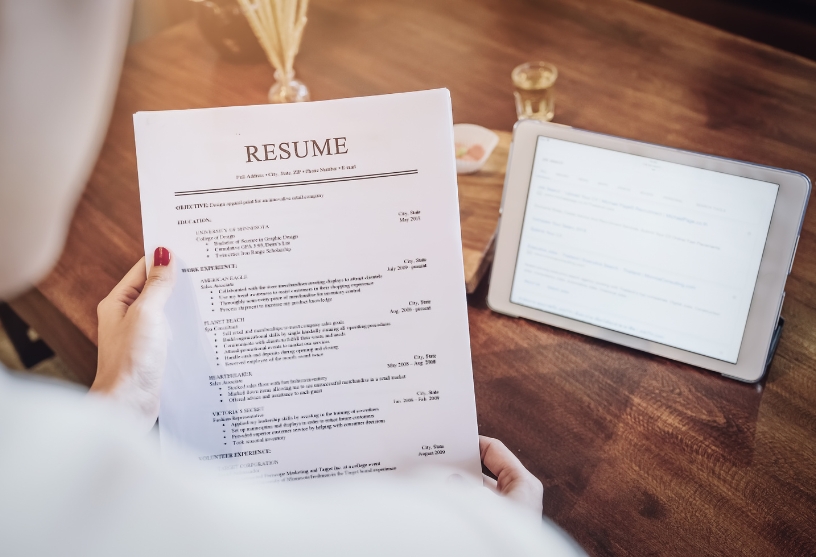
Writing a resume can feel intimidating, especially if you’re new to the job market or moving to a new country. The good news is that a clear, well-structured resume — even a simple one — can help you get noticed and land interviews faster than a complicated design full of buzzwords. The goal is to show who you are, what you can do, and how you can contribute to an employer’s success.
Below, we’ll walk through every step of creating a powerful yet simple resume, explain what employers are really looking for, and give practical tips on layout, content, and presentation.
Understanding What a Resume Really Does
A resume is more than a list of your previous jobs. It’s your personal marketing document — a summary of your strengths, experience, and potential. Employers use it to decide whether to call you for an interview, so clarity and relevance matter more than style.
The best resumes give quick, accurate answers to three key questions:
- Who is this person and where are they now?
- Do they have the skills needed for this job?
- Will they fit into the company’s team and goals?
Even if you have little experience, a well-organized resume can make a strong impression if it shows motivation, honesty, and basic structure.
Step 1: Start with the Essentials
Your resume should begin with simple, easy-to-read contact information.
What to Include
- Full name
- Local phone number
- Professional email address
- City or region (no need for a full address)
- Optional: link to your profile on TBI Jobs or LinkedIn
Make sure this section looks clean. Recruiters often check how fast they can contact you — outdated or unclear details can cost you opportunities.
Step 2: Write a Strong Personal Summary
Right below your name, add a 2–3 sentence summary describing your background and career goals. This is not a life story — it’s your elevator pitch.
Example
“Motivated sales assistant with two years of experience in retail. Skilled in communication and teamwork, looking for a full-time position in a customer-focused company.”
This short paragraph immediately tells employers who you are and what you want. Avoid clichés like “hard-working professional seeking growth opportunities” — instead, use concrete words that show your attitude and value.
Step 3: Present Your Work Experience Clearly
Employers often skip long paragraphs. Instead, use short sections with bullet points and measurable results when possible. Start with your most recent or relevant job and go backward.
Example
Customer Support Specialist – GeoTel, Tbilisi (2021–2024)
- Answered 40+ customer calls daily, helping resolve billing and service questions
- Trained three new team members and improved overall satisfaction rates
- Managed CRM records and daily reports with accuracy
If you don’t have official work experience, include volunteer work, internships, or small freelance tasks. For example, if you’ve been offering translation or delivery services through the TBI Marketplace, that counts as real experience — it shows initiative and reliability.
Step 4: Education and Training
List your education in reverse order — from the newest to the oldest.
What to Include
- School or university name
- Degree, certificate, or training course
- Year completed
You can also add short workshops or online courses if they’re relevant.
Example
- “Digital Marketing Certificate – Coursera, 2024”
- “Customer Service Training – Local Business Center, Tbilisi”
These details prove that you keep learning, which is a big plus in competitive markets.
Step 5: Highlight Skills That Match the Job
Skills sections help employers understand what you can actually do. Combine technical and soft skills.
Hard (technical) skills
- Microsoft Office and Google Workspace
- Basic accounting or cash handling
- Data entry and record management
- Social media posting and content editing
- Basic computer troubleshooting
Soft (interpersonal) skills
- Communication
- Teamwork
- Time management
- Flexibility
- Problem solving
Choose the ones that best fit the position you’re applying for. For example, if you’re using TBI Services to find cleaning or delivery jobs, emphasize reliability, organization, and customer care.
Step 6: Keep the Format Simple and Professional
You don’t need colors, icons, or fancy templates. The most effective resumes use plain text and clean organization.
Formatting Tips
- Use one simple font (Arial, Calibri, or similar)
- Font size: 11–12 for text, 14–16 for headings
- Keep all margins equal
- Avoid spelling mistakes
- Save as PDF before sending
File name example: Maria_K Resume.pdf. Recruiters appreciate clear labeling — it shows attention to detail.
Step 7: Add Optional Sections
You can include additional sections if they strengthen your application.
Useful Additions
- Languages: Mention your level (for example, English – intermediate, Georgian – fluent)
- Certifications: First aid, driving license, digital tools
- Volunteer work: Local community activities or charity projects
- Interests: Only if relevant (for example, “Interest in technology and online sales” for a marketing job)
These extras make your resume more personal and complete.
Step 8: Tailor Every Resume to Each Job
Sending the same resume everywhere rarely works. Instead, adjust small details to match each job description.
How to Adapt
Use similar words or phrases from the ad. For example, if a listing asks for “team collaboration,” include a bullet like “Collaborated with colleagues to improve process efficiency.”
It’s a small effort that shows attention and increases your chances.
Step 9: Keep It Updated
Every few months, take a few minutes to refresh your resume. Add new jobs, remove old or irrelevant details, and check your contact info. Updating regularly means you’re always ready to apply when a new opportunity appears.
Common Mistakes to Avoid
Even strong candidates lose chances because of small errors. Watch out for:
- Spelling and grammar mistakes
- Unprofessional email addresses
- Irrelevant personal details (age, religion, marital status)
- Long, unstructured paragraphs
- Fancy designs that don’t open correctly on phones
Remember: simplicity, clarity, and honesty win over decoration.
FAQ: Quick Answers for Job Seekers
How long should my resume be?
Ideally one page. Two pages are acceptable only if you have over five years of experience.
Should I include a photo?
In Georgia and many other countries, it’s optional. If you add one, keep it neutral and professional.
Can I include unpaid work?
Yes. Volunteering, student projects, or temporary freelance work all count as experience.
What format should I send it in?
Always PDF. Word documents can lose formatting.
Do I need to write a cover letter?
It’s recommended. Even a short message explaining your motivation helps employers understand why you applied.
Final Advice
A resume doesn’t need to be long to be strong. What truly matters is structure, relevance, and sincerity. Employers appreciate candidates who communicate clearly and respect their time. So take a few hours, build your one-page resume, and share it where opportunities are waiting.
Post Your Ad for Free on TBI Listings — the easiest way to get noticed by local employers and clients today.